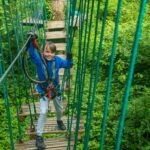
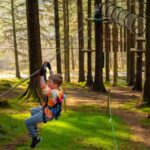
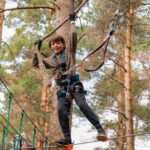
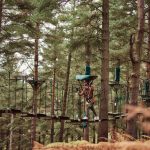
ZipIt offers outdoor adventure days for primary schools at four forest locations across Ireland. Students spend approximately three hours on high ropes and zipline courses, with all equipment and supervision included. Sessions accommodate classes of 30 to 300+ students, with courses graded to suit different ages and abilities.
The end-of-year school tour is a tradition. A reward for the year’s work. A chance to do something different before the summer break.
Most schools pick from a familiar rotation. The zoo. The farm. The beach. The museum. The activity centre with bowling and soft play. These work. Children enjoy them. Nobody complains.
But outdoor adventure offers something these options do not. Genuine physical challenge. Real achievement. The kind of experience children remember years later, not because they were entertained, but because they did something difficult.
Why Physical Challenge Matters
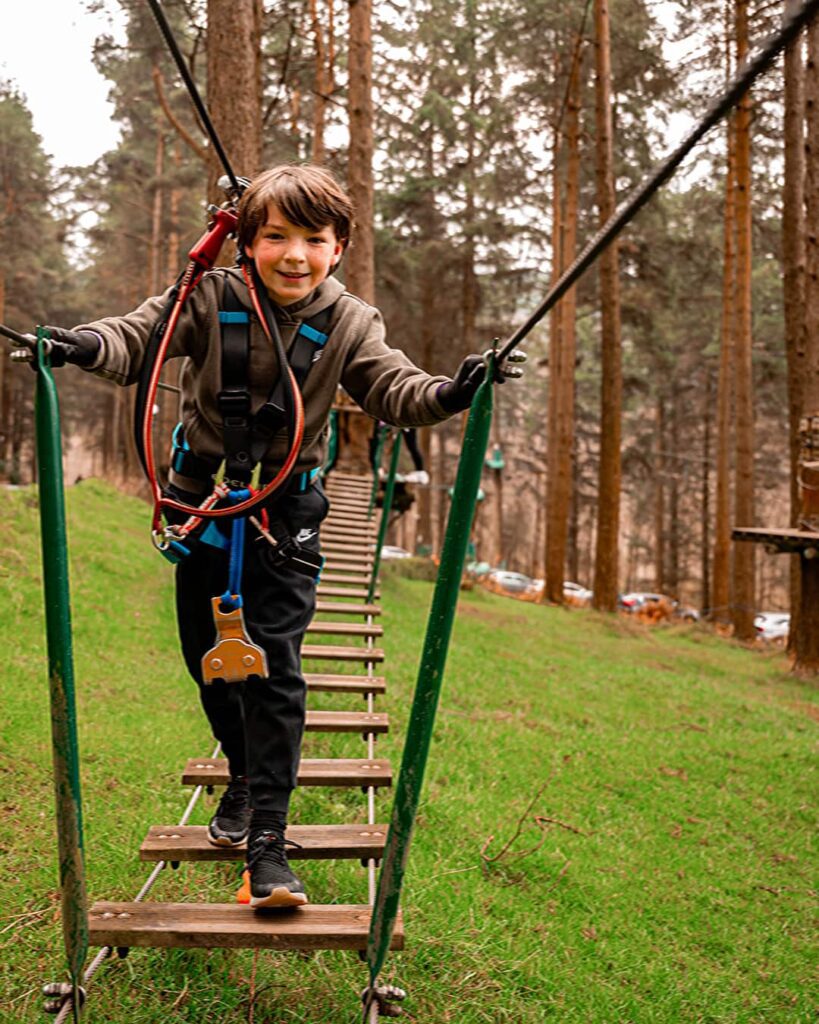
Primary school children have fewer opportunities for genuine physical challenge than previous generations.
Playgrounds have been made safer, which sometimes means less interesting. Unsupervised outdoor play has declined. Screens compete for every spare moment. Many children rarely experience the combination of fear, effort, and accomplishment that physical challenge provides.
High ropes courses deliver this in a controlled environment.
The fear is real. Standing on a platform forty feet up, looking at a rope bridge that wobbles, genuinely scares most children. This is not manufactured drama. It is actual nervousness.
The effort is real. Crossing that bridge requires concentration, balance, and nerve. It is not easy. Children have to work at it.
The accomplishment is real. When a child completes something that scared them, the feeling is genuine. Not a participation trophy. Not manufactured praise. Actual achievement.
This sequence, fear followed by effort followed by accomplishment, builds confidence in ways that passive entertainment cannot match.
What Children Actually Do
A school tour at ZipIt follows a structured format designed for groups.
Arrival and briefing (20 minutes). Classes gather at the welcome area. Staff explain the equipment, demonstrate the safety system, and outline the rules. Everyone gets fitted with a harness. By the end, most children are excited and slightly nervous.
The courses (2-3 hours). Students move through circuits graded from beginner to advanced. They start where they feel comfortable and progress as confidence builds.
What the courses involve:
- Rope bridges between platforms
- Cargo nets to climb across
- Log crossings, some stable, some wobbly
- Ziplines through the forest canopy
- Ladders and climbing sections between levels
Students move at their own pace. There is no racing, no timing, no competition. The nervous child taking fifteen minutes to cross one section is participating just as fully as the confident one who races through everything.
Lunch and wrap-up. Most schools do lunch after the activity. Picnic areas are available. Students are hungry and full of stories.
Age Appropriateness
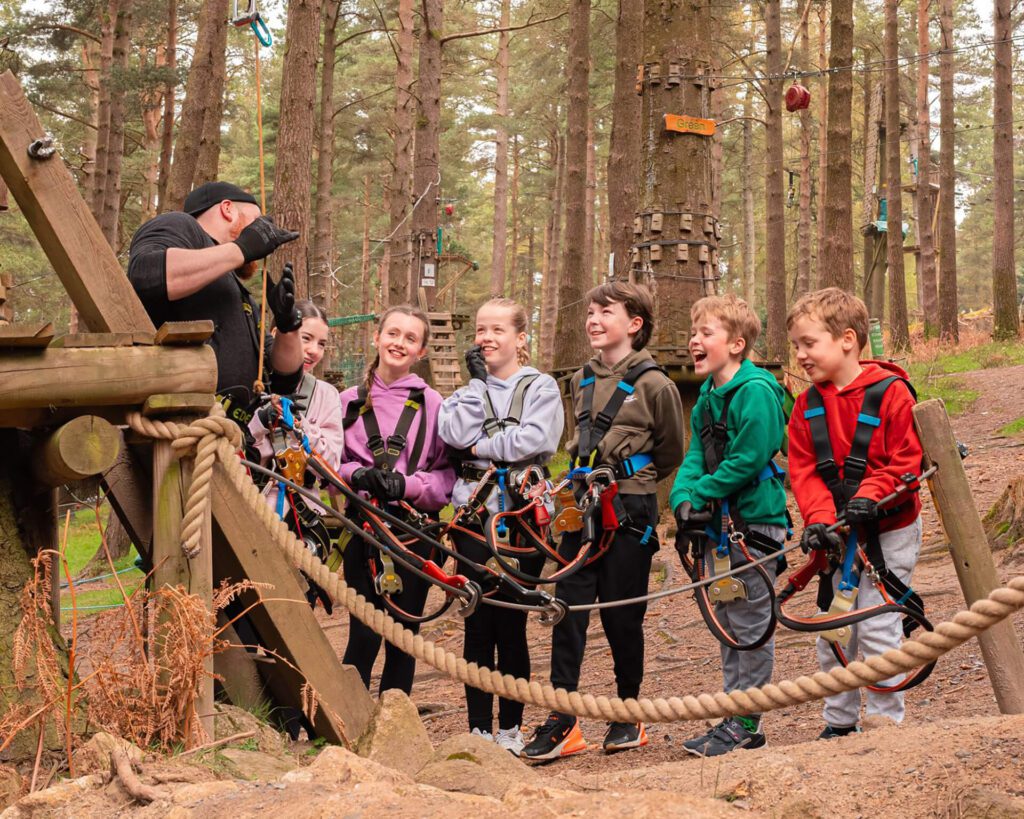
Different ZipIt locations suit different primary ages.
Standard courses (ages 7+). Available at all four locations. Suitable for most primary students from second class upward. Height and harness requirements mean younger children cannot participate in these courses.
Junior courses (ages 3+). Available only at Djouce Park in Wicklow. Lower platforms, age-appropriate challenges, shorter sessions. Suitable for infant classes and junior primary.
Mixed-age groups. A tour combining junior and senior infants with sixth class requires thought. The older students need different challenges than the younger ones. Discuss logistics with the school’s team.
For most primary schools, the standard courses work well from second class onward. First class and younger need Djouce Park specifically.
Social and Emotional Benefits
The physical challenge creates conditions for social and emotional development.
Teamwork without forced structure. Students help each other naturally. They encourage nervous classmates across difficult sections. They wait at platforms. They offer advice on tricky crossings. This happens organically, not because a teacher assigns group roles.
Empathy in practice. Children see classmates struggling with genuine fear. They learn to help without mocking. The classroom dynamic shifts when the sporty ones see the quiet ones succeed at height.
Managing fear. Most children experience real nervousness. They learn that fear does not mean failure. They learn they can do things that scare them. This lesson transfers beyond the forest.
Unexpected discoveries. The child who always answers questions first might freeze on a platform. The shy one who never speaks up might be completely calm at the height. These revelations reshape how children see each other.
Curriculum Connections
Outdoor adventure connects to multiple strands of the primary curriculum.
Physical Education. The outdoor and adventure activities strand explicitly includes challenges like this. Balance, coordination, climbing, and managing physical risk all feature.
SPHE. Self-esteem, confidence, managing feelings, and working with others. The experience provides concrete examples to discuss back in class.
Geography. Forest ecosystems, land use, local geography, and map skills, if you add orienteering activities.
Science. Forces and balance, tree species, woodland habitats, materials and how equipment works.
English. Recount writing based on personal experience. Descriptive writing about the forest environment. Oral language development through telling stories about the day.
Art. Drawing and painting inspired by the forest. Natural materials for craft activities.
Teachers often find that a single school tour generates weeks of follow-up work across multiple subjects. The experience gives children something concrete and personal to write, talk, and think about.
Practical Benefits for Teachers
Beyond the educational value, outdoor adventure has practical advantages.
Behaviour tends to be good. The physical challenge occupies attention. The environment feels special. Students often behave better in forests than in activity centres.
Clear structure. ZipIt staff run the activity. Teachers supervise rather than manage. The format is predictable and well-organised.
Weather resilience. Sessions run in the rain. Unlike beach trips or outdoor sports days, you rarely need a wet-weather backup plan.
Relatively low preparation. Once the booking is made, there is less to organise than many alternatives. No worksheets to prepare. No scavenger hunts to design. The activity is the activity.
Memorable outcomes. Students remember the day. When asked about primary school years later, high ropes in a forest tend to feature. This reflects well on the school and the teachers who organised it.
What Nervous Children Experience
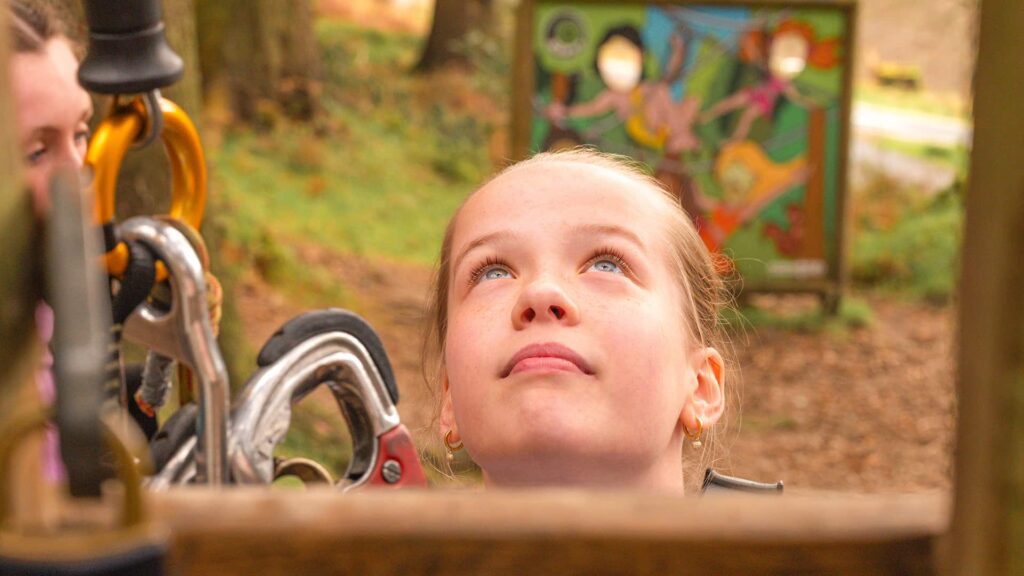
Every class has children who are scared of heights, scared of trying new things, or simply anxious about the unknown.
These children often have the best outcomes.
The gap between fear and achievement is larger for them. Completing the course means more. The confidence boost is greater.
What usually happens:
Before. Nervous children express anxiety during the briefing. Some visibly worry. Some go quiet.
First platform. The hardest moment. Leaving solid ground. The harness is taking their weight.
First section completed. Relief. They can do this. The fear was about the unknown.
Middle of the session. Most nervous children are no longer nervous. They are focused, working through the courses, helping others.
End of session. The children who were most scared often feel proudest. They did something difficult. They overcame fear. This story becomes part of how they see themselves.
Staff are experienced with anxious children. They know how to encourage without pressuring. They never force participation. But most children who start nervously finish feeling accomplished.
Comparing Tour Options
How does outdoor adventure compare to other primary school tour options?
Zoo/wildlife park. Educational, popular with younger children, passive. Students look at animals. Limited physical activity. Good for certain learning objectives, but different in character.
Beach. Weather-dependent, safety concerns, and hard to contain large groups. Fun when it works, problematic when it does not.
Museum. Educational, passive, can be dull for active children. Works well for specific topics. Less memorable for many students.
Farm. Interactive, educational, hands-on. Good for younger classes. Less challenging for older primary students.
Activity centre (bowling, soft play). Active but familiar. Most children have done these activities many times. Limited novelty or challenge.
Outdoor adventure. Active, challenging, memorable, and works in most weather. Requires students to be 7+ for standard courses. Produces genuine achievement and lasting memories.
Logistics Summary
Booking. Contact the schools team with your preferred date, numbers, and age range. Book early for May and June.
Numbers. Groups from 20 to 200+. Very large groups may split across time slots.
Duration. Approximately three hours on the courses, plus travel time.
Supervision. ZipIt provides instructors. Schools provide teachers and helpers per normal school tour ratios.
Cost. Varies by group size and location. Contact for a quote.
What to bring. Packed lunches, water, outdoor clothing, and closed-toe shoes. No sandals.
Weather. Sessions run in the rain. Waterproof jackets are recommended.
Frequently Asked Questions
Standard courses: age 7 and up. Junior courses at Djouce Park: age 3 and up.
Some locations offer additional activities. Lough Key has walking trails, tree canopy walks, and more within the forest park. Discuss options when booking.
They can watch from ground level. Staff never force participation. It is handled without drama.
No, but they can if they want. Some teachers find that participating alongside nervous students helps with encouragement.
Discuss specific needs when booking. Many adjustments are possible. Some medical conditions affect participation.
Book a Primary School Tour
ZipIt offers school tours at four forest locations across Ireland. Sessions run approximately three hours with all equipment and supervision included.
Book online or contact the school’s team to discuss your requirements.