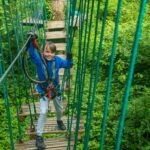
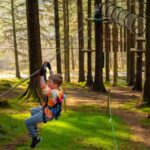
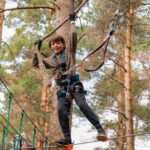
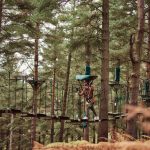
ZipIt offers outdoor adventure activities for Transition Year groups at four forest locations across Ireland. Students spend approximately three hours on high ropes and zipline courses, with circuits graded from beginner to advanced. Sessions suit groups of 20 to 200+ and include all equipment and supervision.
Transition Year coordinators know the problem.
Students have opinions. Strong ones. They have done the museum trips, the factory tours, and the career talks in the school hall. They know what bores them. They are not shy about saying so.
Finding activities that TY students actually engage with, that they talk about afterwards, that they do not spend complaining about on the bus home, this gets harder each year.
Outdoor adventure works for this age group. Physical challenge. Genuine adrenaline. Something to post about. Something that does not feel like school.
Why TY Students Respond to Outdoor Adventure
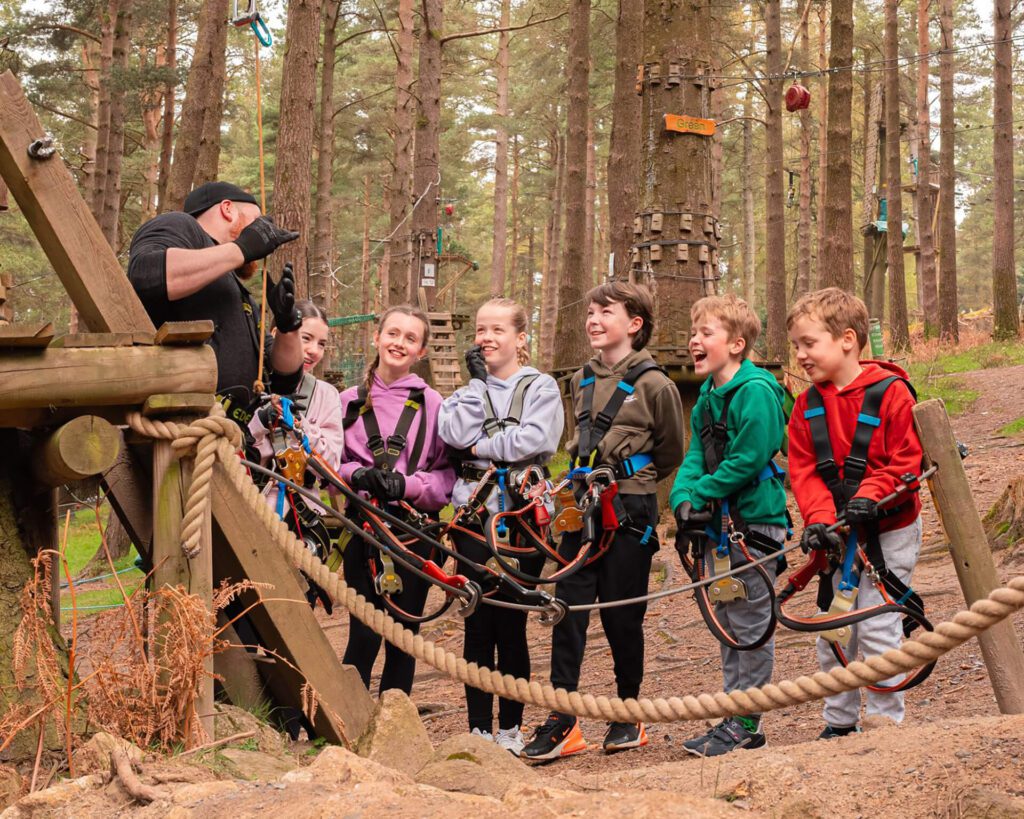
Transition Year occupies strange territory. Students are not quite children, not quite adults. The usual school structures loosen. The year is meant to be different.
Most TY activities still feel like school. Educational. Purposeful. Organised by adults for their benefit. Students sense this and respond accordingly.
Outdoor adventure feels different. The challenge is real. The fear is real. The achievement is real. Nobody is pretending the zipline has educational value. It is just genuinely exciting.
This honesty matters to teenagers. They engage with activities that do not condescend to them.
What TY students actually experience:
Genuine physical challenge. The courses are not adapted for school groups. They are the same courses adults do. This registers with students who are tired of being treated as children.
Real adrenaline. Heights, speed, uncertainty. The body responds. This cuts through the studied indifference that teenagers often present.
Social dynamics without teacher orchestration. Students help each other, compete informally, and share the experience. This happens naturally rather than being facilitated.
Content worth sharing. Photos and videos from forty feet up in the trees. Stories about who was scared, who was brave, and who surprised everyone. Material that has social value.
How TY Groups Use the Day
Transition Year trips often have multiple purposes. Team building for the year group. Bonding between students who do not normally interact. A break from routine. Sometimes a reward.
Outdoor adventure serves several of these simultaneously.
Early in the year: Helps new class groupings form connections. Students who might not otherwise interact end up helping each other across difficult sections.
Mid-year: Breaks up the calendar. Provides energy and shared experience during the long stretch between Christmas and Easter.
End of year: Works as a celebration. A reward for completing projects and work experience. Something to remember the year by.
Some schools combine outdoor adventure with other activities. A morning on the high ropes courses, afternoon visiting something nearby. Lough Key works well for this, with walking, cycling, and kayaking available in the wider forest park. Farran Park features a popular onsite deer enclosure home to red and fallow deer, allowing you to really get up close to nature!
Logistics for TY Groups
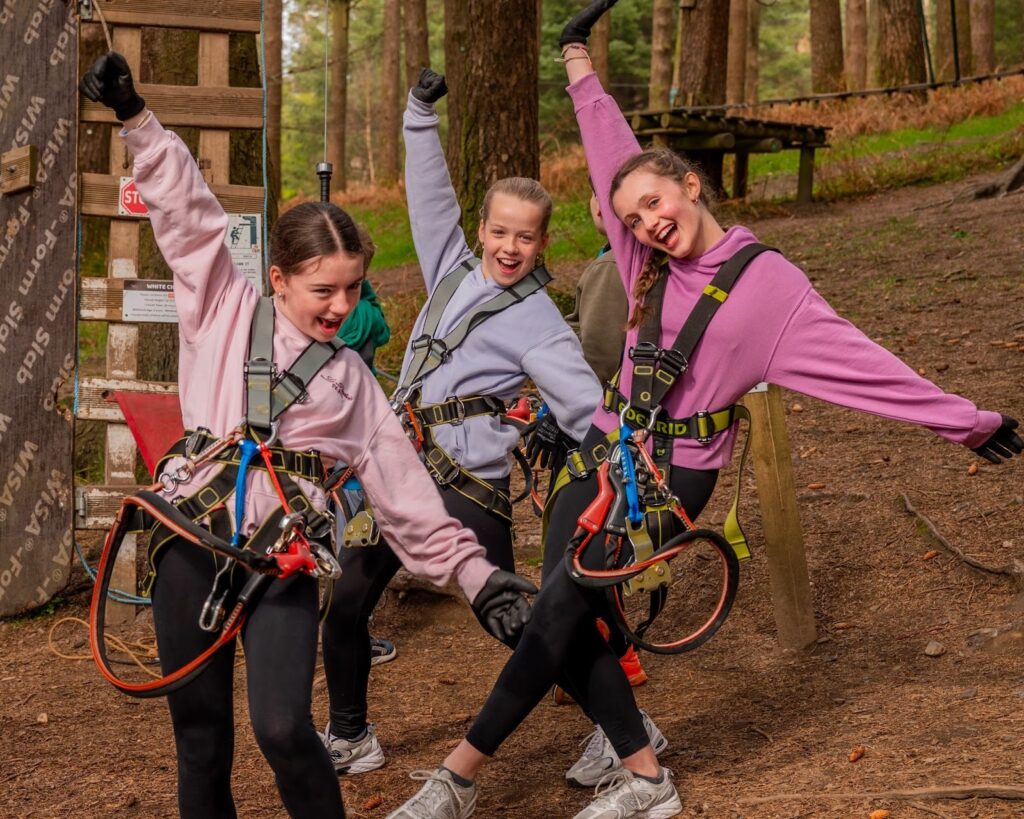
Practical considerations for coordinators:
Group size. TY year groups vary from 30 to 300, depending on the school. ZipIt accommodates groups of 20 to 200+.
Booking. Contact the schools team with your preferred date, estimated numbers, and any specific requirements. Book early for popular dates.
Transport. All locations have coach parking. Journey times from Dublin: Tibradden 30 minutes, Djouce 45 minutes, Lough Key 2 hours. From Cork: Farran Park 20 minutes.
Supervision. Schools provide teachers for travel and general group management and supervision.
What students wear. Outdoor clothes, layers, closed-toe shoes with grip. TY students are old enough to follow instructions but may need reminding that fashion choices should not override practicality. Emphasise appropriate footwear.
Weather. Sessions run in the rain, but trees provide enough cover to keep participants dry. Waterproof jackets are recommended if rain is forecast.
Phones. Cannot be taken on the courses (they fall from pockets). Decide on your school policy for before and after. Some schools collect phones on the bus. Others trust students to manage.
Team Building Dimension
Some schools explicitly book outdoor adventure for team building purposes. TY groups that will work together all year benefit from shared experience early.
What happens naturally:
Students help each other. The courses require it. Nervous students get encouragement from peers. Students who race ahead learn to wait.
Hierarchies shift. Social confidence does not correlate with physical confidence. The quiet student might be calm at the height. The popular one might be terrified. These revelations create new information.
Shared stories emerge. “Remember when Cian froze on the cargo net?” “Remember, Sarah, going first on the hardest zipline.” These become reference points for the rest of the year.
Relationships form. Students who would not normally interact end up on platforms together, waiting together, and encouraging each other. Some of these connections persist.
The team building happens without facilitators extracting learnings or forcing reflection. The experience speaks for itself.
What Students Actually Say
Feedback from TY groups tends to focus on specific moments.
The section that looked impossible. The friend who helped them across. The zipline went faster than expected. The view from the highest platform.
Students describe it as “actually good” or “actually fun,” where “actually” signals that they expected another tedious school trip and got something different.
The social media response matters to this age group. Photos from the courses have value. Stories about the day have currency in conversations. The experience gives students something to talk about that is not school.
For TY coordinators, this matters. Activities that students actively enjoy create goodwill. Activities that students complain about create friction.
Curriculum and Programme Links
Outdoor adventure connects to the TY programme objectives without feeling like curriculum delivery.
Personal development: Facing fears, building confidence, extending comfort zones. These are explicit TY goals.
Teamwork and social skills: Collaboration, communication, supporting others. The courses require these without labelling them.
Physical activity: Three hours of climbing is genuine exercise. TY students often have limited PE time.
Outdoor education: Engagement with natural environments. Forest settings provide context for environmental awareness.
Employability skills: Challenge, problem-solving, and managing uncertainty. Employers value these. The connection is real, even if students do not immediately see it.
Some TY programmes include reflection or journaling components. The outdoor adventure day provides rich material for this.
Comparing TY Activity Options
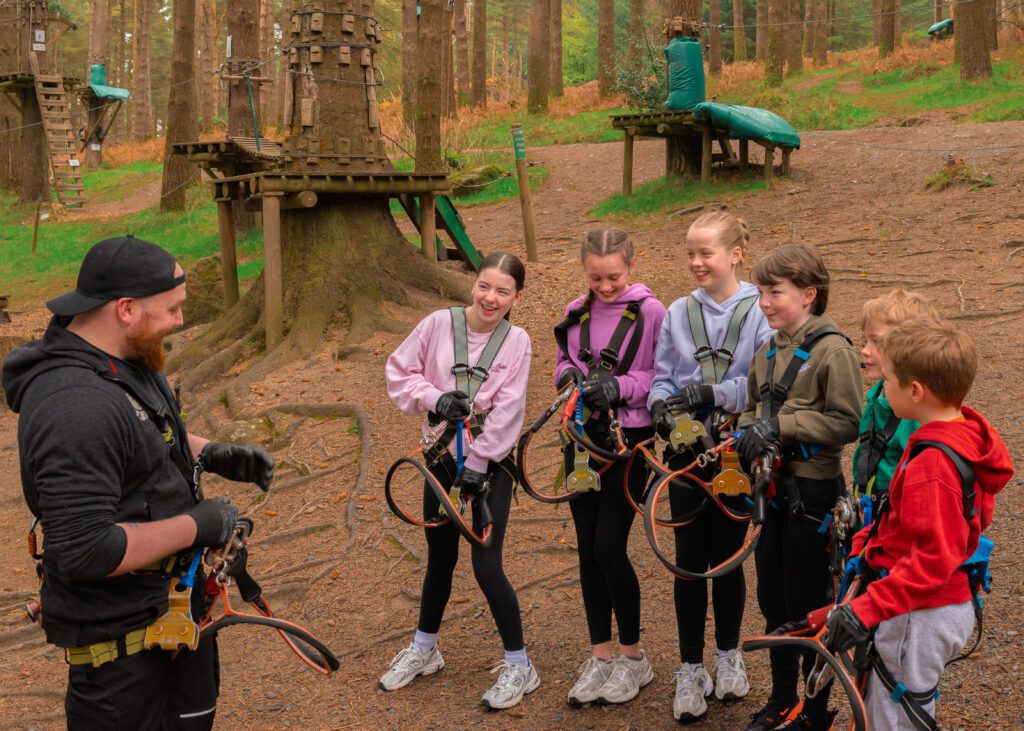
How does outdoor adventure compare to typical TY activities?
Career talks and workshops: Useful but passive. Students listen. Engagement varies. Forgettable for many.
Museum and cultural visits: Educational value varies. Some students engage. Many do not. Passive consumption rather than active participation.
Sports activities: Work for sporty students. Others feel excluded or embarrassed. Competitive formats create winners and losers.
Escape rooms: Fun for some. Group sizes limited. Quiet students often overshadowed by confident ones.
Outdoor adventure: Active participation for everyone. Self-paced, so no winners or losers. Genuinely exciting. Memorable. Photos worth posting.
The main limitations: weather dependency, appropriate clothing required, and not suitable for students with certain physical limitations.
Accessibility and Inclusion
Most TY students can participate. Some considerations:
Physical requirements: Minimum height applies. Weight limits for safety. Mobility requirements vary by section.
Medical conditions: Some conditions affect participation. Heart conditions, pregnancy, and conditions affected by magnetic fields near the belay system. Discuss specific cases with the booking team.
Anxiety and fear: Nervous students usually manage with support. Staff are experienced. Nobody is forced. Students can come down at any point without drama.
Students who cannot participate: Can observe from ground level, take photos, and support classmates. Discuss options in advance so nobody feels excluded on the day.
Frequently Asked Questions
Groups from 20 to 200+. Very large year groups may split across time slots.
Courses suit ages 7 and up with no upper limit. TY students (typically 15-16) are well within the range and often attempt the more challenging sections.
Yes. Teachers doing the courses alongside students often improves the dynamic. Students enjoy seeing teachers outside their comfort zone.
They can observe from ground level. It happens occasionally. Staff handle it without drama. Other students rarely notice or care.
As early as possible. TY trips often cluster in certain weeks. Popular dates fill quickly.
Discuss specific requirements with the booking team. Many students with additional needs participate successfully. Adjustments are often possible.
Book a TY Activity Day
ZipIt offers outdoor adventure for Transition Year groups at four forest locations across Ireland. Three hours on high ropes and ziplines, all equipment included, suitable for groups of 20 to 200+.
Book online or contact the schools team to discuss dates and requirements.