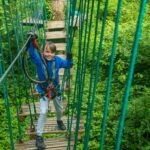
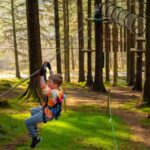
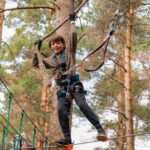
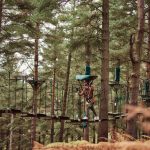
ZipIt offers outdoor adventure tours for secondary schools at four forest locations across Ireland. Students spend approximately three hours on high ropes and zipline courses, with circuits graded from beginner to advanced. Sessions accommodate groups of 20 to 200+ and include all equipment, safety briefings, and supervision.
Secondary school tours have a problem.
Students are too old for farm visits and too young for most adult activities. They have done the museums. They have seen the exhibitions. They know what bores them and are not afraid to show it.
The result: a bus full of teenagers looking at phones, occasionally glancing at whatever the tour is supposed to be about, waiting to go home.
Outdoor adventure disrupts this pattern. Physical challenge demands attention in a way that displays and guided talks do not. Forty feet up in the trees, nobody is checking Instagram.
Why Secondary Students Engage
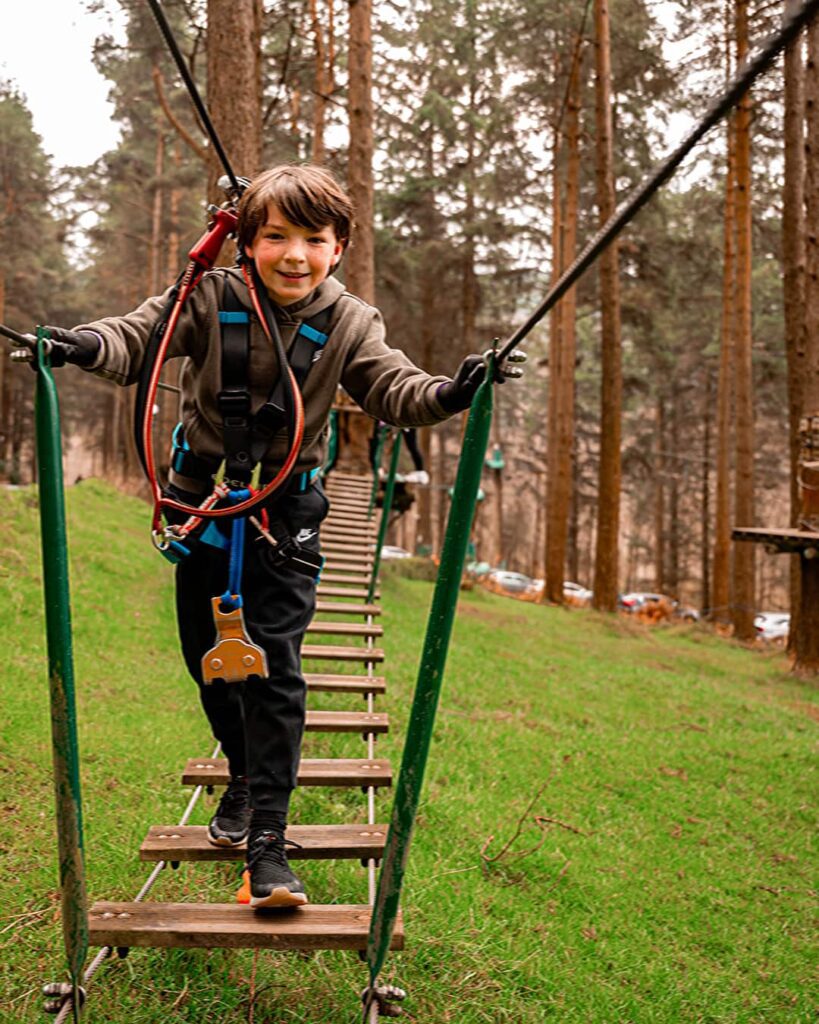
Teenagers are hard to impress. They have defences against organised fun. The ironic distance, the studied indifference, the preemptive dismissal of anything adults suggest.
Outdoor adventure bypasses some of these defences.
The challenge is real. The courses are not adapted for school groups. They are the same courses adults do. Students recognise authenticity.
The body responds. Heights and speed trigger physical reactions that cannot be faked. Adrenaline cuts through ironic detachment.
The content has value. Photos from the courses, stories about who was brave and who was scared, these have social currency. Students want to share the experience.
Adults are not in control. Teachers watch from ground level. Students navigate the courses themselves. The balance of power shifts.
What teachers observe: students who were sullen on the bus become animated on the platforms. Phones stay in pockets because hands are needed for balance. Conversations happen naturally because the experience creates shared material.
Different Year Groups, Different Dynamics

Secondary school spans a wide age range. How different groups typically respond:
First and Second Year (ages 12-14)
Still relatively willing to engage with school activities. Excited by the novelty. May need more encouragement on challenging sections. Group dynamics can be intense; friendships are forming and shifting. The courses give students something to bond over beyond classroom hierarchies.
Third Year (ages 14-15)
Approaching Junior Cert. Often stressed. A break from exam pressure is welcome. Physical activity releases tension. Students in this year sometimes need a reminder that they can do hard things unrelated to academics.
Transition Year (ages 15-16)
TY students respond particularly well because the year is meant to be different, and outdoor adventure delivers on that promise.
Fifth and Sixth Year (ages 16-18)
Older, more independent, harder to impress. But also capable of appreciating genuine challenge. Fifth-year students benefit from bonding at the start of a demanding two-year cycle. Sixth years appreciate a break from exam stress. Both groups engage when the activity is real rather than tokenistic.
Logistics for Secondary Schools
Practical considerations for tour coordinators:
Group size. Secondary schools often bring full year groups or multiple classes. ZipIt accommodates groups from 20 to 200+. Very large groups are split across time slots.
Booking. Contact the schools team with your preferred date, year group, and estimated numbers. Popular dates, especially in May, June, and September, book quickly.
Transport. All locations have coach parking. Approximate journey times from Dublin: Tibradden Wood 30 minutes, Djouce Park 45 minutes, Lough Key 2 hours. From Cork: Farran Park 20 minutes.
Supervision. Schools provide teachers for travel, breaks, and general group management and supervision. Standard school tour ratios apply.
Duration. Approximately three hours on the courses, plus briefing time. A full morning or afternoon. Some schools combine with another activity for a full day.
What students wear. Outdoor clothes, layers, closed-toe shoes with grip. Secondary students are capable of following instructions, but fashion sometimes overrides sense. Emphasise appropriate footwear in advance.
Phones. Cannot be taken in the courses. Decide on your policy for before and after. Some schools collect phones. Others leave it to students.
Team Building Applications
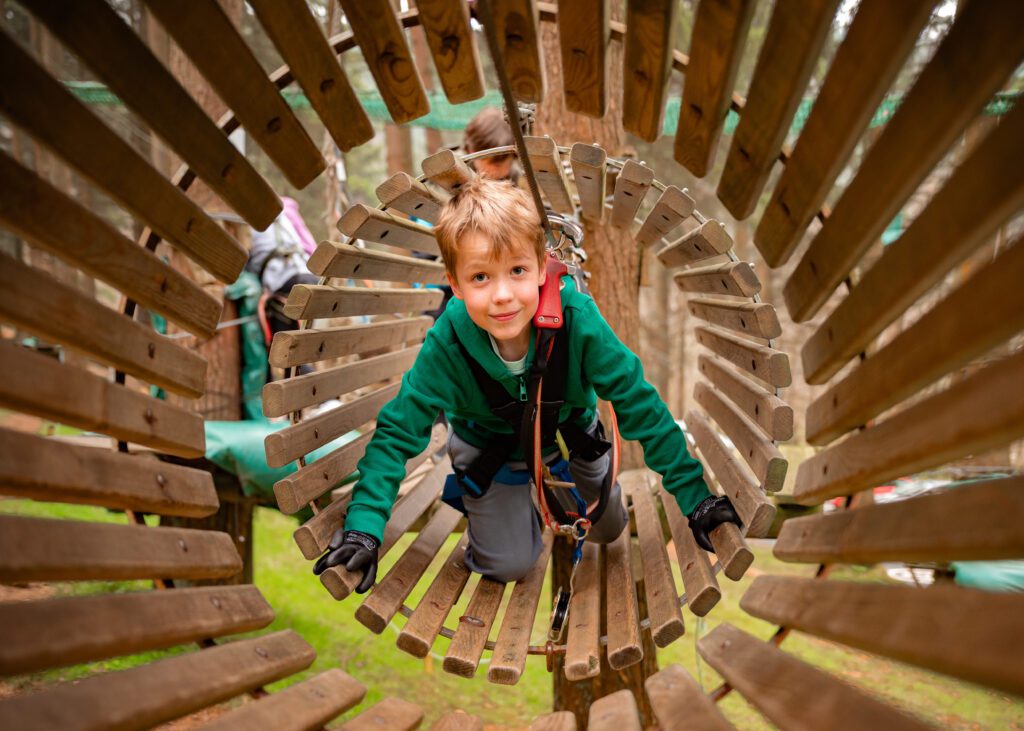
Some schools book outdoor adventure specifically for team building purposes. This works particularly well for:
Incoming year groups. First years coming from different primary schools. A shared challenge early in September helps the group coalesce.
Class bonding. Classes that will work together for two years (Junior Cycle, Senior Cycle) benefit from shared experience outside the classroom.
Leadership groups. Prefects, student council, peer mentors. Activities that build trust and cooperation within leadership cohorts.
Sport teams. Pre-season bonding. Building team identity before competitive pressure arrives.
The team building format is the same activity but framed differently. The focus is on group dynamics rather than just recreation.
What Teachers Actually Report
Feedback from secondary school trips highlights common themes:
Unexpected students shine. The quiet one turns out to be fearless. The loud one goes silent when genuinely challenged. Teachers see students differently after watching them navigate difficulty.
Social dynamics shift. Classroom hierarchies do not map neatly onto physical confidence. Students notice this. It creates new information about each other.
Energy changes. Students who dragged themselves onto the bus are buzzing on the way home. The physical activity and adrenaline create a different atmosphere.
Conversations happen. Students talk to each other and to teachers more naturally after a shared physical experience. The usual barriers lower.
It gets talked about. Unlike forgettable museum visits, the outdoor adventure day comes up in conversations for weeks afterwards.
Combining with Other Activities
Secondary schools sometimes want a full day rather than a half day. Options for combining:
Lough Key: The wider forest park offers walking trails, cycling, kayaking, and a tree canopy walk. A morning on the high ropes, lunch in the visitor centre, afternoon exploring the park.
Tibradden/Dublin Mountains: The Dublin Mountains Educational Centre runs programmes that could complement an adventure day. Alternatively, a shorter walk in the mountains after the courses.
Farran Park/Lee Valley: Walking trails in the wider Lee Valley for groups wanting to extend the day.
Djouce/Wicklow: Proximity to Wicklow Mountains walking routes. For groups with energy remaining.
For very large groups, splitting the year across morning and afternoon sessions works well. One group does the courses while the other does something else, then they swap.
Risk Assessment and Paperwork
Secondary schools have established procedures for tour risk assessment. Outdoor adventure adds some specific considerations:
What ZipIt provides:
- Safety documentation and procedures
- Staff qualifications and training records
- Equipment inspection records
- Insurance certificates
- Site-specific information
What schools assess:
- Travel to and from the venue
- Supervision ratios for your school policy
- Students with specific medical conditions
- Behaviour management procedures
- Emergency contacts and procedures
Key safety points:
- The continuous belay system keeps students clipped in throughout
- Teachers supervise all activity
- Equipment is regularly inspected
- Sessions only pause for extreme weather warnings
- First aid facilities on site
Most schools find the process straightforward. The documentation from ZipIt covers the activity-specific elements.
Accessibility and Inclusion
Most secondary students can participate. Some considerations:
Physical requirements: Minimum height and weight limits apply for safety. Mobility requirements vary by section.
Medical conditions: Some conditions affect participation. Discuss specific cases with the booking team in advance.
Anxiety: Nervous students usually manage with support. Staff are experienced. Nobody is forced. Students can come down at any point.
Students who cannot participate: Ground-level observation is always possible. Students can support classmates, take photos, and be involved without doing the courses.
Frequently Asked Questions
Courses suit ages 7 and up with no upper limit. All secondary students are within range.
Groups from 20 to 200+. Year groups of any size can be managed with appropriate scheduling.
Sessions run in the rain. Secondary students are old enough to handle getting wet. Waterproof jackets are recommended.
Yes. Teachers doing the courses alongside students can improve the dynamic. Students enjoy seeing teachers challenged.
Ground-level observation is always an option. Staff handle refusals without drama. It happens occasionally and is not a problem.
No. The courses require balance and nerve more than athletic ability. Students who are not sporty often do well. The pace is self-directed.
High ropes courses are non-competitive. Nobody wins or loses. Everyone participates at their own level. This creates different dynamics than competitive activities, where some students dominate, and others feel humiliated.
Beyond School Tours
Some schools use outdoor adventure for activities beyond standard tours:
Retreats and wellbeing days. Physical activity and time in nature support student well-being. The forest setting provides calm after the courses finish.
Reward trips. End of year, end of exams, recognition for achievement. The activity has enough appeal to feel like a genuine reward.
Sixth-year activities. Graduation trips, bonding activities, and something memorable before students leave.
Staff events. The same courses work for staff team building. Hen and stag groups also book regularly, showing the adult appeal.
Book a Secondary School Tour
ZipIt offers outdoor adventure for secondary schools at four forest locations across Ireland. Three hours on high ropes and ziplines, all equipment included, groups of 20 to 200+.
Book online or contact the schools team to discuss dates and requirements.