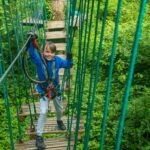
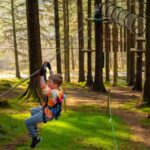
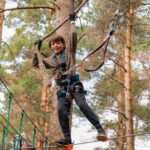
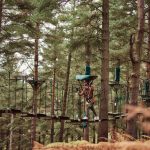
Outdoor team building at ZipIt takes place in forests across Ireland, with high ropes and zipline courses that require physical challenge and mutual support. Sessions run approximately three hours for groups of 10 to 100+. The format produces different results from indoor alternatives because the environment itself changes how people interact.
The conference room has limits.
No matter how good the facilitator, no matter how clever the exercise, something about fluorescent lights and swivel chairs keeps people in work mode. They sit in the same seats. They talk in the same patterns. The hierarchy stays visible even when everyone pretends it does not exist.
Moving the same exercise to a hotel function room does not help much. Nicer carpet, same dynamics.
Outdoor activities work differently. The environment itself becomes part of the experience, and environments shape behaviour in ways that agendas and icebreakers cannot match.
What Changes When You Go Outside
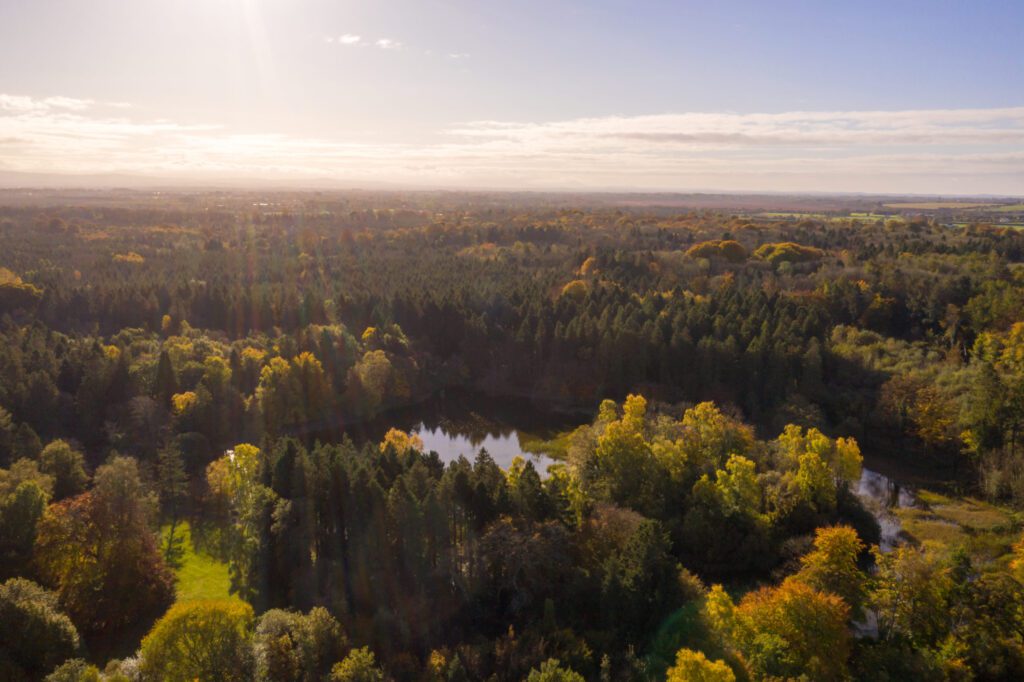
The shift from indoors to outdoors is not just scenery. It is context. And context affects everything.
- Physical space changes interaction. In a meeting room, people sit in fixed positions. Eye contact follows predictable lines. Personal space is limited and awkward. Outside, people move. They spread out. They choose who to walk beside. The rigid geometry of indoor spaces dissolves.
- Sensory experience changes mood. Fresh air, natural light, ambient sounds that are not keyboards and air conditioning. Research on forest environments shows measurable effects on cortisol and blood pressure. People genuinely relax in ways they cannot in built environments, even comfortable ones.
- Novelty changes attention. The office is familiar. Hotels are familiar. Forests are not. The unfamiliarity forces people out of autopilot. They notice things. They pay attention. They are present in a way that routine environments do not encourage.
- Physical challenge changes dynamics. When people are concentrating on where to put their feet, worrying about falling, or helping a colleague across a difficult section, they are not thinking about quarterly targets or email backlogs. The usual mental furniture gets left behind.
Why Indoor Team Building Falls Short

Indoor activities are not worthless. Escape rooms can be fun. Cookery classes suit some groups. Quiz nights have their place.
But they share common limitations:
- The hierarchy persists. In a meeting room, even during a game, the boss is still the boss. People filter what they say. Juniors defer to seniors. The patterns that make offices political replicate themselves in any indoor setting.
- Competitive formats create losers. Many indoor activities split groups into teams that compete. This works for some personalities and alienates others. The quiet ones disengage. The competitive ones dominate. Somebody finishes last and feels worse than when they started.
- Participation is often unequal. Escape rooms reward those who are good at puzzles. Cooking suits those who cook. Quiz nights favour whoever knows the answers. These formats give confident people another opportunity to shine and leave everyone else watching.
- The experience is forgettable. Ask someone about an escape room six months later. They might remember whether they solved it. They probably will not remember specific moments, specific colleagues, or specific interactions. The experience lacks texture.
What Physical Challenge Adds
Outdoor activities that involve genuine physical challenge produce different outcomes.
Not an extreme challenge. Not danger. Just enough difficulty that people have to concentrate, push themselves slightly, maybe feel nervous before they start.
High ropes courses sit in a useful middle ground. Physically demanding enough to require effort. Safe enough that almost everyone completes them. Variable enough that people can choose their own level of difficulty.
What this produces:
- Shared vulnerability. Everyone starts slightly nervous. Nobody is an expert. The usual confidence hierarchies flatten because nobody has done this before, or if they have, it does not matter much.
- Mutual support. People help each other. They encourage nervous colleagues. They wait at platforms. They offer advice on tricky crossings. This happens naturally, without facilitators orchestrating it.
- Genuine accomplishment. Finishing something that felt difficult creates real satisfaction. Not the manufactured satisfaction of completing a team exercise, but the actual feeling of having done something hard.
- Equalised participation. Unlike competitive formats, everyone does the course. There are no winners or losers. The goal is completion, not victory. This means quieter team members participate fully rather than fading into the background.
The Forest Environment

Not all outdoor activities are equal. A team day in a hotel garden is still a team day in a hotel. The setting needs to feel genuinely different.
Forests provide that. Tibradden Wood in the Dublin Mountains. Farran Park in the Lee Valley. Djouce Park in Wicklow. Lough Key in Roscommon. These are actual woodlands, not manicured parks with ropes courses attached.
The trees matter. Research on forest environments, sometimes called forest bathing research, shows that time among trees affects the nervous system differently from time in urban green spaces. Something about the scale, the density, the filtered light.
For team building specifically, the forest creates:
- Separation from normal life. The office feels distant. The usual concerns fade. People are fully present because the environment demands it.
- Shared unfamiliarity. Nobody works in a forest. The playing field levels because everyone is equally out of their element.
- Sensory richness. Smells, sounds, and textures that do not exist in built environments. These create memories that stick.
- Natural conversation topics. People remark on the trees, the view, the wildlife. These low-stakes conversations warm up relationships before the activity even starts.
What Teams Actually Remember
Memory research shows that emotional intensity affects retention. We remember events that made us feel something more clearly than events that did not.
Indoor team building tends to be emotionally flat. Pleasant enough. Mildly amusing. Forgettable.
Outdoor activities with physical challenge create emotional peaks. The nervousness before starting. The focus during difficult sections. The relief and satisfaction at the end. The laughter at colleagues’ reactions.
These peaks create memories that last. Months later, people reference specific moments. “Remember when David froze on the cargo net?” “Remember when Sarah went first, even though she was terrified?”
These shared memories become team shorthand. They create a common language. They make future collaboration easier because people have a history together, not just a list of shared projects.
Who Benefits Most
Some teams get more from outdoor team building than others.
- Remote and hybrid teams. Groups that rarely meet in person need an intense shared experience to build relationships quickly. Three hours in a forest does more than three hours in a meeting room.
- Teams with communication problems. When people struggle to work together, changing the context helps. Outdoor activities bypass the usual sticking points and create new interaction patterns.
- Groups with mixed personalities. High ropes courses let introverts participate fully without being overshadowed by extroverts. Everyone does the same activity at their own pace.
- Teams in transition. New teams forming, teams merging, teams with recent changes in leadership. These groups need shared experience to accelerate relationship building.
- Anyone stuck in a routine. Teams that have worked together for years in the same patterns. The novelty of outdoor challenge disrupts habits and shows people different sides of familiar colleagues.
What to Keep in Mind When Planning Outdoor Team Building
Outdoor team building works best as part of a broader team culture, rather than a standalone fix. A day at Zipit creates a genuine shared experience: working through challenges together, stepping outside your comfort zone, and giving your team something to bond over that isn’t a meeting room.
It’s worth considering the practicalities too. Zipit’s circuits vary in height and physical demand, so it’s helpful to check in with your team beforehand and ensure everyone is comfortable with the activity. Participants with mobility considerations or specific fears can be accommodated where possible. The booking team is happy to discuss this ahead of your visit.
The value is in what your team takes back with them: a shared memory, a bit of mutual respect earned in the trees, and a stronger foundation to build on.
Frequently Asked Questions
Yes. High ropes courses require balance and nerve more than fitness. Participants move at their own pace and choose which challenges to attempt. Most people who worry about fitness beforehand manage fine.
Sessions run in most weather, including rain. The courses are designed for outdoor use year-round. Sessions only pause for extreme weather warnings.
Both have value, but they produce different outcomes. Escape rooms suit small groups who enjoy puzzles. Outdoor activities work better for larger groups, create more memorable shared experiences, and allow equal participation across different personality types.
Yes. Many companies choose to book a morning outdoor session at Zipit, followed by an afternoon meeting or workshop at a separate venue of their choice. People are more relaxed and conversations tend to flow more naturally after a shared physical experience.
ZipIt operates in four forests across Ireland: Tibradden Wood (Dublin), Farran Park (Cork), Djouce Park (Wicklow), and Lough Key (Roscommon).
Book Outdoor Team Building
ZipIt offers corporate team building at four forest locations across Ireland. Sessions run approximately three hours for groups of 10 to 100+, with all equipment and instruction included.