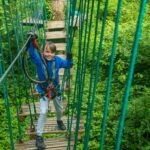
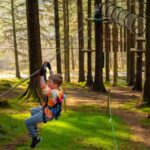
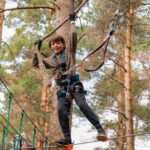
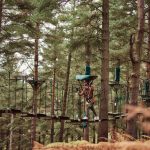
ZipIt operates outdoor team building at four forest locations across Ireland: Dublin, Cork, Wicklow, and Roscommon. For remote and hybrid teams who rarely meet in person, high ropes and zipline courses offer a shared physical experience that video calls cannot replicate. Sessions run approximately three hours for groups of 10 to 100+.
Remote work changed everything except the need for people to actually know each other.
Teams that once shared an office now share a Slack channel. Colleagues who used to grab coffee together now send emoji reactions. The work gets done, but something is missing. The casual conversations. The sense of who people actually are beyond their job title and profile photo.
Hybrid setups can be worse. Some people in the office, some at home, different days, different rhythms. Cliques form. The remote people feel like outsiders. The office people forget the remote ones exist.
Traditional team building assumes everyone already knows each other. Trust falls work fine when you have spent months sitting three desks apart. They feel strange when you have only ever seen someone’s face in a small rectangle on a screen.
Remote and hybrid teams need something different.
Why In-Person Matters for Distributed Teams

This is not a case for abandoning remote work. The flexibility matters. The lack of commute matters. The ability to hire beyond a single geography matters.
But relationships built entirely through screens have limits.
Text lacks tone. Video calls flatten personality. The small moments that build trust, the offhand comments, the shared frustrations, the stupid jokes, these happen less when every interaction is scheduled and recorded.
Research backs this up. Distributed teams report lower trust levels than co-located ones. They collaborate less spontaneously. They are worse at reading each other’s communication styles.
Bringing people together in person, even occasionally, helps. Not for the work itself. For the relationships that make work easier.
The question is what to do when you finally get everyone in the same place.
What Works for Teams Who Rarely Meet

A team that sees each other daily can tolerate a mediocre team-building activity. They already have relationships. The activity is a break, not a foundation.
A team that meets twice a year cannot afford mediocre. The time together is too valuable.
What works:
- Shared physical challenge. Something that requires focus, creates mild stress, and produces a sense of accomplishment. This builds a connection faster than conversation alone.
- No forced vulnerability. Icebreakers where people share personal facts feel awkward when you barely know someone. Activities that let people reveal themselves naturally work better.
- Equal participation. Nothing where extroverts dominate, and introverts watch. Everyone should be doing something, not waiting for their turn.
- Time for an unstructured conversation. The activity creates a shared experience. The conversation afterwards is where relationships actually form. Build in time for both.
Outdoor adventure activities tick most of these boxes. High ropes courses in particular. Everyone participates at their own pace. The challenge is real but manageable. People help each other without being told to.
Choosing a Location for a Dispersed Team
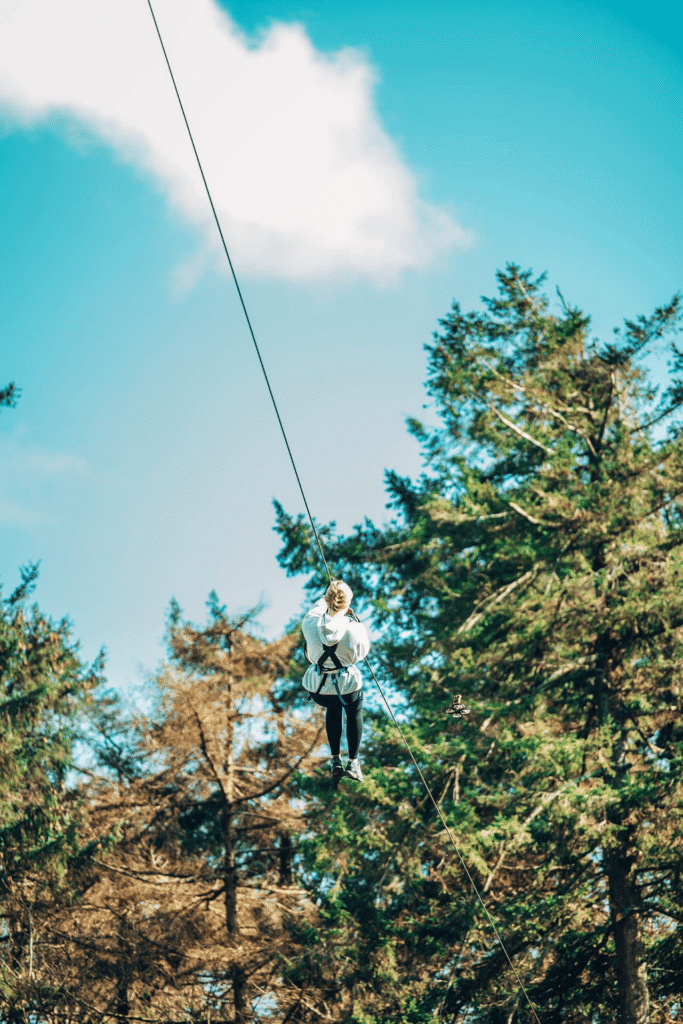
When your team is spread across different cities, location becomes a logistical puzzle.
Dublin works if most people are in or near the capital. Tibradden Wood sits thirty minutes from the city centre, accessible from the airport for anyone flying in.
Cork suits teams with a southern concentration. Farran Park is twenty minutes from the city, with Cork Airport nearby for those travelling from elsewhere.
For teams spread across the country, or with members in the west, Lough Key in Roscommon offers a more central option. Roughly two hours from Dublin, ninety minutes from Galway, accessible from multiple directions.
Wicklow works for teams, combining the day with accommodation. Djouce Park sits near hotels and guesthouses in the Wicklow Mountains, useful if you are planning an overnight retreat.
The booking team can advise on which location makes sense for your team’s geography.
Making the Day Count
Remote teams get limited time together. Here is how to make a team-building day actually useful:
- Start with a low-pressure connection. Meet for breakfast or coffee before the activity. Give people time to adjust to seeing each other in three dimensions. The first conversations will be slightly awkward. That is normal.
- Let the activity do the work. High ropes courses do not need facilitators explaining what you should learn. The experience speaks for itself. People help each other across difficult sections. They encourage nervous colleagues. They celebrate small victories. These moments happen naturally.
- Protect time afterwards. The post-activity conversation matters as much as the activity itself. Book lunch somewhere with space to spread out. Let people talk about what just happened. The stories that emerge become shared reference points for months afterwards.
- Do not overschedule. The temptation is to pack the day with activities, meetings, and structured sessions. Resist this. Relationships form in the gaps. Leave room for wandering conversations.
What Remote Teams Actually Remember
Ask someone about a team-building day six months later. They will not remember the agenda. They will not remember the key messages or the strategy discussion.
They will remember moments. The colleague who was terrified of heights and did it anyway. The one who got stuck on a platform and needed help. The manager turned out to be worse at the course than the interns.
These stories become team mythology. They get referenced in meetings. They create shortcuts in communication. “Remember when James panicked on the cargo net?” becomes a way of talking about how people handle pressure, without having to explain it from scratch.
This is what distributed teams lack. Shared stories. Common reference points. A sense of who people are beyond their work output.
Three hours in a forest will not fix remote work’s deeper challenges. But it gives people something to remember together. That matters more than it sounds.
Logistics for Bringing a Remote Team Together
A few practical considerations:
- Travel and expenses. Budget for transport, accommodation if needed, and the activity itself. For teams flying in, Dublin and Cork locations have nearby airports. Lough Key works for teams driving from different directions.
- Timing. Mid-week often works better than Mondays or Fridays. People are less rushed, less distracted by weekend plans. Spring and autumn have good availability and reasonable weather.
- Communication beforehand. Tell people what to wear, what to expect, and how long the day will take. Remote workers are used to detailed briefings. Give them one.
- Accessibility. Check if anyone has restrictions that affect participation. Height and weight limits apply. Some medical conditions are relevant. The booking team can advise on specific cases.
- Follow-up. Share photos. Reference the day in subsequent calls. Keep the shared experience alive rather than letting it fade into a one-off event.
Frequently Asked Questions
Yes, though we would suggest separating them. Do the activity first, then meet afterwards. People are more relaxed, and conversations flow better. Trying to work first and play later often means the work overruns.
Dublin and Cork have airports nearby. For teams spread across Ireland, Lough Key offers a central meeting point. The booking team can help you think through logistics.
Pricing varies by group size and location. Contact the team for a quote based on your numbers.
They are welcome to come along and support colleagues from the ground level. Staff can suggest viewing points. Nobody should feel excluded.
As early as possible. Popular dates fill quickly, especially in spring and autumn. For groups over 50, give at least a month’s notice.
Bring Your Remote Team Together
ZipIt offers team building at four locations across Ireland. For remote and hybrid teams who need more than another video call, three hours in the trees creates the kind of shared experience that actually sticks.
Book online or contact the team to discuss dates and logistics.